Red Tape Reduction: How the House Rules Committee Plans to Ease Administrative Burden for Businesses
January 6, 2026
Article written by the SBAM Policy Team for SBAM’s Lansing Watchdog newsletter
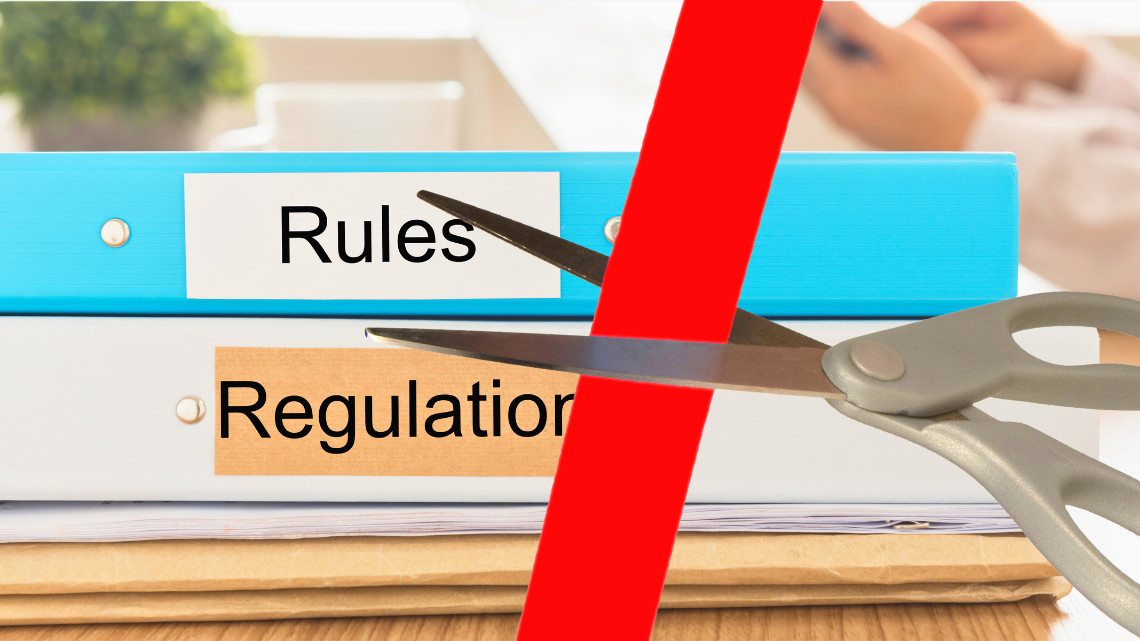
Entrepreneurs have grown used to familiar refrains from political figures about cutting regulatory red tape, but a significant package of bills in the Michigan House could turn rhetoric into reality in 2026.
In her most recent State of the State address, Governor Gretchen Whitmer addressed the state’s costly regulatory burden for permitting and licensing and expressed need for reform. Shortly after, the Department of Licensing and Regulatory Affairs (LARA) released an internal report recommending a series of reforms to reduce unnecessary barriers for businesses without degrading safety standards.
In response, Michigan’s House Rules Committee, chaired by Representative Bill G. Schuette, began an effort to turn these suggested changes and feedback from businesses into legislative proposals. In June, the Rules Committee released it’s “Red Tape Reduction Initiative”, specifically outlining licensing statues, administrative procedures, and license requirements that should be addressed.
Since the release of the report, more than 50 bills have been introduced in the House (House Bills 4879 to House Bill 4934) to codify these recommendations in state law. The committee has discussed and vetted these bills, seeking feedback from stakeholders. This package of bills seeks to:
Repeal Outdated Licenses: Licenses themselves exist to provide a level of consumer protection and quality assurance, but over time, the demands of the labor market change, and requirements that were once deemed vital become an antiquated barrier and irritating obstacle for those in niche fields. Bills in this package seek to completely eliminate the license requirement for potato dealers, butter graders, and floor sanders, among others, where the license is no longer deemed to be necessary to the safety of the public.
Modify Training Requirements: In many cases, licensure requirements at the state level can exceed national trends and standards, making it more difficult for Michigan licensees to achieve their training than what is customary in other parts of the country. This package of bills would reduce the semester hour requirements for accountants from 150 to 120 and reduce the training hours for barbers from 1,800 to 1,500 – in alignment with countrywide trends. Bills in this package would also lean into the advantages of technology to ease continued education, utilizing online remote leaning for certain industries.
Expand Licensure Reciprocity: For licensees in other states, re-attaining their certificate in Michigan can mean a litany of burdensome requirements that may dissuade them from moving to Michigan altogether. Bills in this package would move Michigan down the path of universal licensure reciprocity by setting circumstances for reciprocity for service members and veterans who meet certain conditions.
With the 2026 legislative year beginning next week, Representative Schuette and House leadership have expressed a commitment to moving this legislation this term. Given the broad size and scope of the package these bills are unlikely to move uniformly, but for small businesses, this effort can indicate positive movement in the direction of state government, as the pitfalls of burdensome red tape become an increasing area of consensus for lawmakers.
Click here for more News & Resources.