Join Now

Energy & Infrastructure

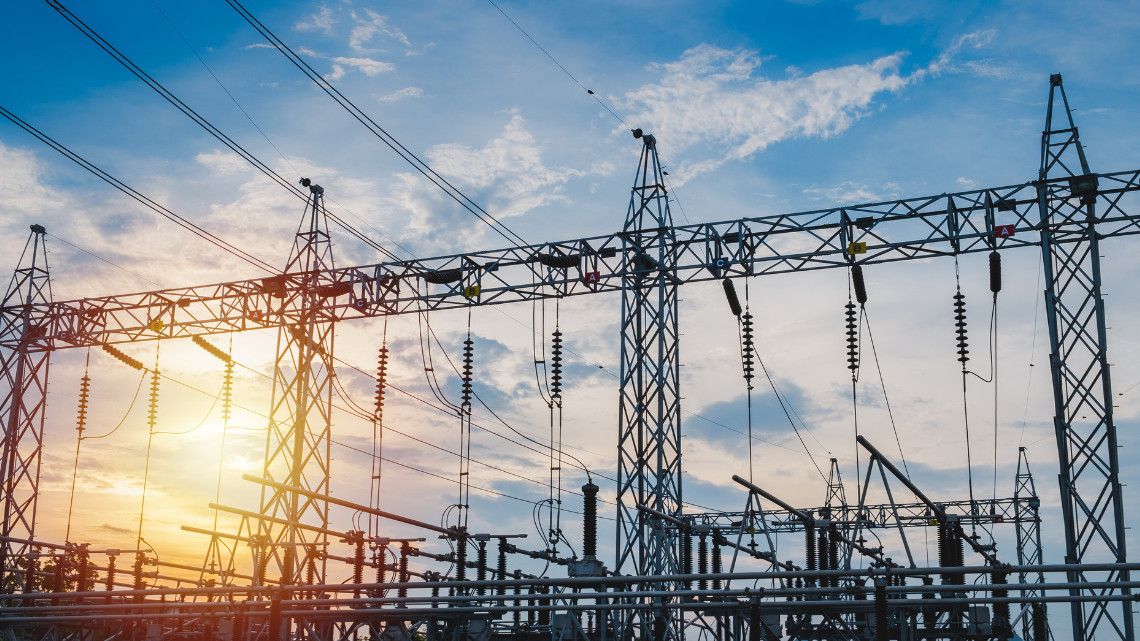
Michigan’s infrastructure and energy grid are the physical structure that allows its small businesses to thrive. When acting as intended, infrastructure and energy run reliably in the background, but all businesses rely on affordable, reliable power and properly maintained infrastructure to operate and grow. Infrastructure investment must prioritize outcomes that support local businesses and reduce costs.  

Promote Energy Affordability and Reliability

SBAM’s Energy Policy is built around the core pillars of reliability and affordability. Michigan’s small business owners need energy to run reliably in the background without interruption and at a reasonable cost.  

  • SBAM opposes government-mandated energy portfolio changes that raise costs for ratepayers. 
  • Energy policy must be grounded in technological and economic feasibility, not speculative or aspirational goals.  
  • SBAM welcomes policies that promote and incentivize energy efficiency and reduction of waste, including decentralized or distributed generation. 
  • To ensure reliability, steps must be taken to ensure the grid is resistant to natural forces and other disruptions.  
  • SBAM supports efforts to diversify Michigan’s energy portfolio so long as sources are reliable, and small businesses are protected from increased costs.  
  • Energy rates should be commensurate with actual use and should not shift costs to small businesses to subsidize other users.  

Invest in a Sustainable, Long-Term Road Funding Solution

Michigan’s small businesses rely on safe and well-maintained roadway infrastructure to maximize economic growth and to keep businesses moving forward. Despite this, the state has been overly reliant on short-term bonding and borrowing to sustain adequate funding.  

SBAM calls for a long-term, responsible approach to road funding that includes:  

  • A sustainable funding model that includes dedicated funding sources and prioritizes ongoing investment over bonding and debt. 
  • A commitment to long-term maintenance rather than costly rebuild cycles. 
  • Investment in proven techniques to extend road life to its maximum lifespan. 
  • Prioritizing transportation funding that exists within the state budget. 

It is vital that funding solutions are paid for by user fees and reprioritization within the state budget rather than taxes that single out small businesses. 

  • As fuel efficiency improves and electric vehicles become more common, it is important that the state modernizes user fees in a way that is transparent, enforceable, applicable to all drivers, and protects privacy. 
  • Michigan should maintain uniform, statewide fee structures to avoid a patchwork of various local requirements.  
  • Tolling may be a feasible solution if it is fiscally sound, compliant with federal regulations, and does not place undue burden on small businesses.  
Road Infrastructure Task Force Report

Expand Broadband Access

Reliable internet is an essential piece of today’s economy, yet gaps in broadband availability continue to limit growth in rural and underserved areas. This creates obstacles for businesses operating in these areas, and for schools. As schools increasingly utilize technology for lessons and homework, lack of connectivity inhibits student growth and further drives educational underachievement. 

Considering current shortcomings, broadband expansion and increased access to high-speed internet will be required for Michigan’s small businesses to remain competitive nationally and globally.  

  • Areas with no high-speed internet access at all must be first prioritized.  
  • As resources are deployed to build internet infrastructure, it should be done in a way that facilitates competition among providers. 

Increase Access to Housing

Housing availability is a critical issue that has directly affected Michigan’s workforce and economic growth. When workers are unable to find affordable housing near potential job opportunities, it limits employers’ ability to attract talent.  

SBAM leadership was involved in the creation of MSHDA’s Statewide Housing Plan, which is a blueprint for growing Michigan’s housing infrastructure. This plan aims to achieve: 

  • 75,000+ new or rehabilitated housing units, which includes: 
  • 39,000+ affordable rental units. 
  • 21,500+ market-rate units (homeowner and rental). 
  • 13,500+ homeownership opportunities for low- and moderate-income households. 
  • 1,000+ units of workforce housing. 
  • 100,000+ households’ housing is stabilized. 
  • Significantly reduce the equity gaps in homelessness and homeownership. 
  • Strive to make homelessness rare, brief, and one-time. 
  • 15,000+ households increase home energy efficiency and make weatherization improvements. 
MSHDA Statewide Housing Plan