The Michigan Legislature Passed their Budget: What it Means for Small Business
October 6, 2025
Background:
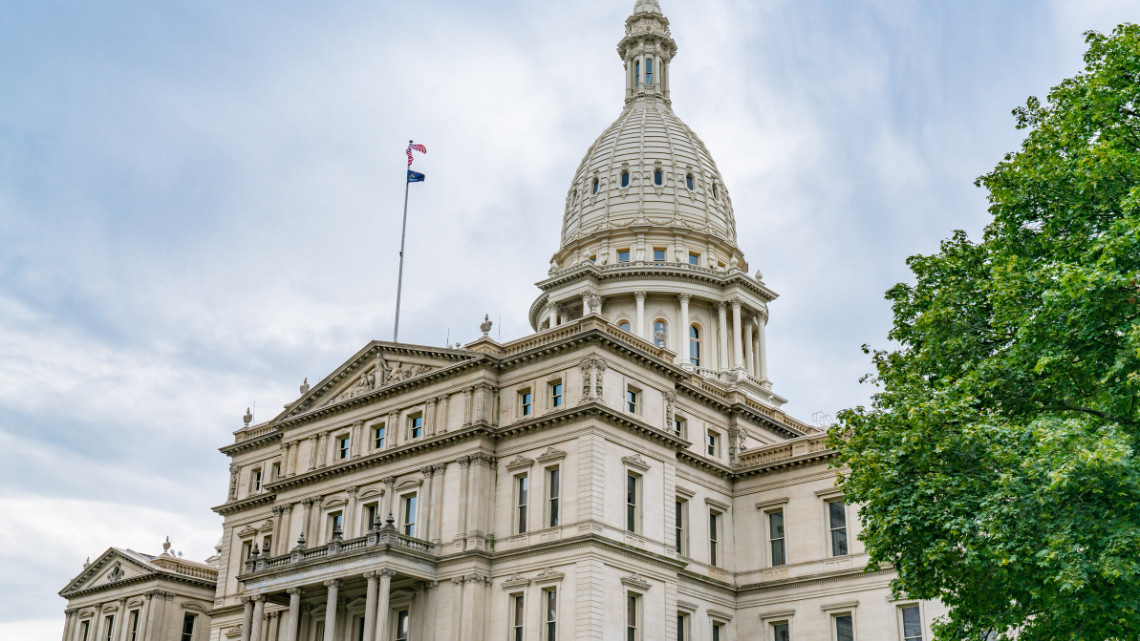
Midnight September 30th came and went this year without a budget in place in Michigan for the first time since 2009. However, the state only went without funding for about four hours, when Governor Whitmer signed a stopgap budget, pushing the deadline back one week to temporarily avoid a complete government shutdown. Lawmakers finally came to an agreement in a day that spanned late Thursday evening into early Friday morning, solidifying the fiscal landscape for this budget year. In total, this year’s budget is about $81 billion.
As negotiations on the budget unfolded, a few things became clear that shaped the eventual outcome: shortfalls from changes to Medicaid and a desired long-term road funding solution created deep holes in the state’s finances and framed the conversation. With divided government, any potential deal would seemingly necessitate new taxes and also cuts to existing spending for the respective Chambers and Governor’s office to come together on their desired priorities. While the legislature avoided proposed harmful increases to corporate income tax rates and managed to maintain some key items, their budget deal creates some new taxes on businesses and cuts several meaningful programs.
Small Business Support Hubs
$11.2 Million Dollar Grant
In 2023, the Michigan Legislature approved $75 million of federal funding to be dedicated towards creating and operating programs to support small businesses disproportionately impacted by COVID-19. MEDC recognized 27 different “Support Hubs” across the state to provide comprehensive programming and direct support to small businesses, including the SBAM Foundation.
Since its creation, the SBAM Foundation has remained committed to providing training, education, and support services for small businesses in Michigan. The SBAM Foundation is the only support hub to operate on a statewide basis and has provided an unparalleled quality of service to qualified small businesses.
The legislature’s FY 26 budget approved $11.2 million for the Small Business Support Hubs program, and funding will be allocated based on a competitive grant process. We applaud the preservation of this program.
Road Funding Deal
The Governor made long-term road funding a central component entering negotiations and insisted that any budget must come with a road funding plan attached. The expiration of a 2019 bonding proposal created a multi-billion-dollar shortfall that would have to be filled to meet increased construction costs and current needs.
The legislature reached a deal to generate roughly $1.85 billion in annual funding for roads by combining several elements: redirecting the gas tax revenues wholly towards roads and increasing the rate by 20¢ per gallon, from decoupling the state taxable income from recent federal tax cuts and adding a new wholesale excise tax on marijuana.
“Decoupling” From the Federal Tax Base
Changes to the federal tax code through the One Big Beautiful Bill Act allow businesses to fully
deduct most research and development expenses and accelerate depreciation of capital purchases, reducing taxable income and therefore reducing taxes.
Michigan, like most states, uses the federal tax base to reduce the administrative burden of filing state taxes. The passage of the One Big Beautiful Bill Act would have given businesses a tax benefit at the state level too. House Bill 4961 was passed to “decouple” Michigan from the federal tax base and will deny businesses the full benefit of new federal deductions. For small businesses, this will primarily be felt through increased complexities in deducting the cost of equipment and a requirement to add back certain capital investments to the Michigan tax base, thereby increasing taxes on those who make more substantial capital investments in Michigan. Michigan’s House Fiscal Agency projects that these changes will cost businesses $520 million in increased taxes this year, which will essentially be used to finance part of the new roads plan.
The bill also reduces taxes on tips, overtime, and social security for the next three years, though most social security is already exempt from state income taxes.
Wholesale Cannabis Tax
The roads deal includes a new 24% wholesale cannabis excise tax which is applied at the wholesale level, making it less visible to consumers at the retail level. Legislative estimates expect this new tax to generate roughly $420 million annually that will be directed to roads. Opponents of this new tax believe that such a dramatic increase will result in more cannabis purchases being pushed to the black market where prices are already far cheaper. If that happens, revenue estimates will fall short, and the cannabis is industry will likely falter even more severely than it already is already trending.
Insurance Provider Assessment
Michigan’s Insurance Provider Assessment (IPA) was established in 2018 to help the state draw federal Medicaid match funds. The assessment was called into question by changes in the One Big Beautiful Bill Act, potentially eliminating a funding source required to draw down the funds from the Federal government to pay for Medicaid. Legislation was passed to direct DHHS to pursue a waiver to maintain the current IPA structure, but if the waiver is rejected, the department is authorized, without further legislative approval, to implement a new tax rate on health insurance premiums.
Workforce Development
Going PRO – $22.3 Million
Michigan’s Going PRO Talent Fund provides competitive awards to employers for training, developing and retaining current and newly hired employees. Since the program’s inception in 2014, tens of thousands of employees have received vital and relevant training that has not only helped the development of their careers but has also been a vital resource for participating small businesses.
This program has typically been funded at $54 million per year on an ongoing basis but was cut by nearly $23 million and is now funded for $22.3 million in one-time funds.
Michigan Reconnect
The Michigan Reconnect program provides last-dollar scholarships to students aged 25 and older who complete an associate degree or skills-based certificate. This program has been a useful tool to upskill Michigan’s workforce and move towards the state’s postsecondary attainment goals.
The program received $52 million in FY 25, which was reduced to $42 million in this year’s budget.
Pure Michigan
A robust tourism sector is vital to the continued prosperity of many of Michigan’s small businesses and communities. The Pure Michigan campaign has successfully fueled increased tourism from other states by showcasing our state’s natural beauty.
Pure Michigan received $26 million in funding last fiscal year, primarily through local and private funding authorizations. Those funding sources were reduced to align with expected revenue, and the overall funding for the program will sit at $17 million in this year’s budget.
MI Tri-Share
The Michigan Tri-Share childcare program was launched initially as a pilot to help employers and families overcome the difficulties of affordable childcare. Childcare shortages are one of the most prevalent workforce issues employers currently face, with many potential employees exiting the workforce entirely due to a lack of affordable options. SBAM has supported the Tri-Share program since the introduction of the pilot to its full fruition and has worked alongside the department as the program expands its footprint statewide.
The MI Tri-Share program received $3.4 million in this year’s budget, and changes in boilerplate language help further focus the administration of the program, with an increased focus on regional hubs and accountability measures.
Want to Stay Connected?
Make sure to subscribe to our Watchdog by updating your communications preferences in your SBAM member profile and opting in. The SBAM Watchdog publication is a weekly edition of the latest policy and political news brought to you by your SBAM Advocacy Team. Join the small business grassroots community today!
Click here for more News & Resources.