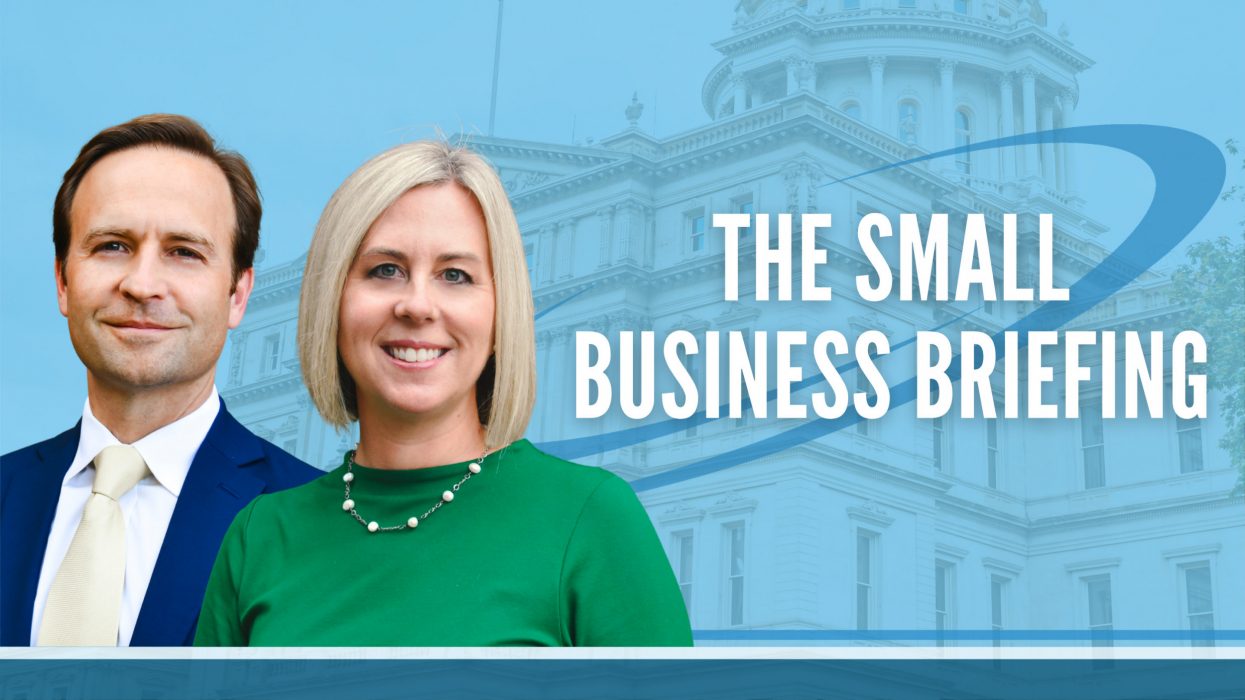
Michigan’s small business community is sending a clear message to policymakers: rising costs – especially healthcare and inflation – remain the most pressing challenges facing employers across the state.
In SBAM’s latest member survey, two-thirds of respondents identified healthcare costs as the top issue they want incoming elected leaders to address. Inflation followed as the single biggest day-to-day concern for businesses, cited by 27% of respondents, along with ongoing pressures related to the economy and labor availability and quality. Nearly 70% of small businesses reported increasing wages and benefits in an effort to attract and retain employees, while overall business confidence remains mixed, with nearly one-third of owners reporting decreased confidence in the future.
A key focus of the briefing was SBAM’s ongoing advocacy around the Small Business Health Coverage Act. The proposal would allow small businesses and sole proprietors to join together through associations to access more affordable, comprehensive health insurance options. It also includes a state-supported reinsurance mechanism intended to stabilize high-cost claims and reduce premium volatility, with estimated savings of 6-12% in premiums. The legislation has already passed the Michigan Senate with unanimous bipartisan support and continues to be refined in the House through stakeholder engagement.
SBAM also highlighted its positions on two statewide ballot proposals. The organization opposes Proposal 1, which would open Michigan’s Constitution to a full constitutional convention, citing concerns about broad uncertainty and potential disruption. It also opposes Proposal 2, which would significantly expand campaign finance restrictions, raising concerns about broad definitions and compliance uncertainty for businesses.
The briefing also covered Michigan’s 2026 election landscape, including a high-profile U.S. Senate race that has already surpassed $205 million in reported spending, with millions more reserved for advertising. Several major statewide debates and forums are taking place as voters begin casting absentee ballots, offering direct comparisons between candidates on issues including taxes, healthcare, workforce development, and economic policy.
In addition, SBAM noted growing attention on Michigan’s education pipeline, following data showing just over 25% of high school juniors meet college readiness benchmarks on the SAT, down from roughly 35% a decade ago. Leaders emphasized the importance of strengthening education and training pathways to meet workforce needs across industries.
Finally, SBAM encouraged members to stay engaged with upcoming opportunities, including Michigan Celebrates Small Business nominations, which close soon, regional Owner2Owner events, and the upcoming MI Hidden Talent conference this fall.
The briefing underscored a consistent theme: Michigan’s small business community is navigating cost pressures and workforce challenges while actively engaging in policy solutions aimed at long-term stability and growth.
Click here for more News & Resources.