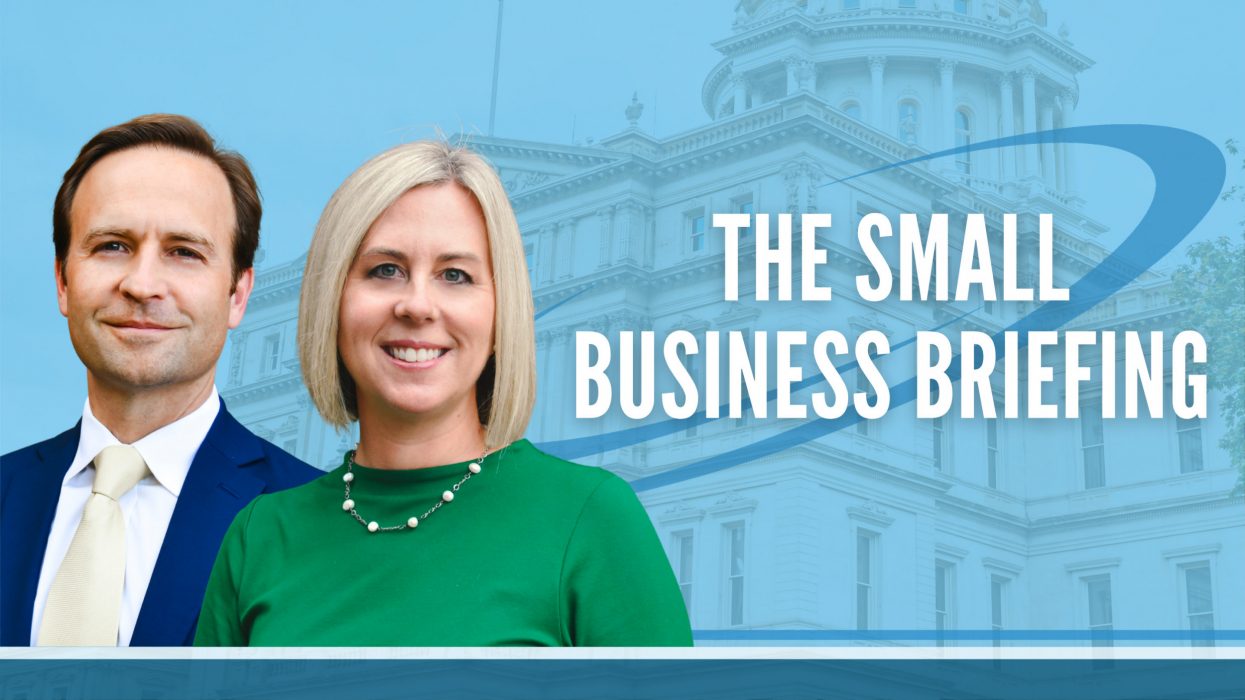
Michigan small businesses continue to navigate a changing economic environment shaped by interest rates, workforce shifts, and rising operational costs. This briefing brings together updates on national monetary policy, state-level employment trends, and practical tools businesses can use to manage expenses and improve resilience. Understanding these forces helps business owners plan more effectively in an uncertain economy.
Interest Rates and Inflation Pressures
A major focus of the discussion was the Federal Reserve’s decision to raise short-term interest rates. The move reflects ongoing efforts to manage inflation while balancing employment goals. Higher borrowing costs influence everything from business investment to consumer demand, making credit more expensive across the economy. The update suggests policymakers are currently more focused on controlling inflation than stimulating job growth.
Michigan Labor Market Challenges
The briefing also highlighted concerning signals in Michigan’s labor market. The state’s unemployment rate has risen to around 5%, driven by a decline in total employment rather than just changes in labor force size. At the same time, labor force participation has fallen to 58.8%, indicating fewer people are actively working or seeking work. These trends raise questions about long-term workforce capacity and economic competitiveness.
Energy Efficiency for Small Businesses
A featured guest from Consumers Energy emphasized how energy efficiency programs can help small businesses manage rising costs. The approach focuses on reducing energy waste through simple behavioral changes or equipment upgrades, often supported by rebates and assessments. These programs are designed to improve affordability while avoiding the need for costly new energy infrastructure.
Business Environment and Local Policy Updates
The briefing also covered organizational changes at the Michigan Economic Development Corporation, including workforce reductions tied to budget adjustments. These developments reflect broader shifts in how economic development programs are being structured and funded in the state.
Conclusion
Overall, the briefing underscores a mixed economic picture for Michigan small businesses, with inflation control efforts, workforce challenges, and cost-saving opportunities all shaping the landscape. Business owners are encouraged to stay informed and explore efficiency programs that may help stabilize operating expenses.
Click here for more News & Resources.